
Overview
Nyerere National Park Safari | Wildlife, & Day Trips in Tanzania
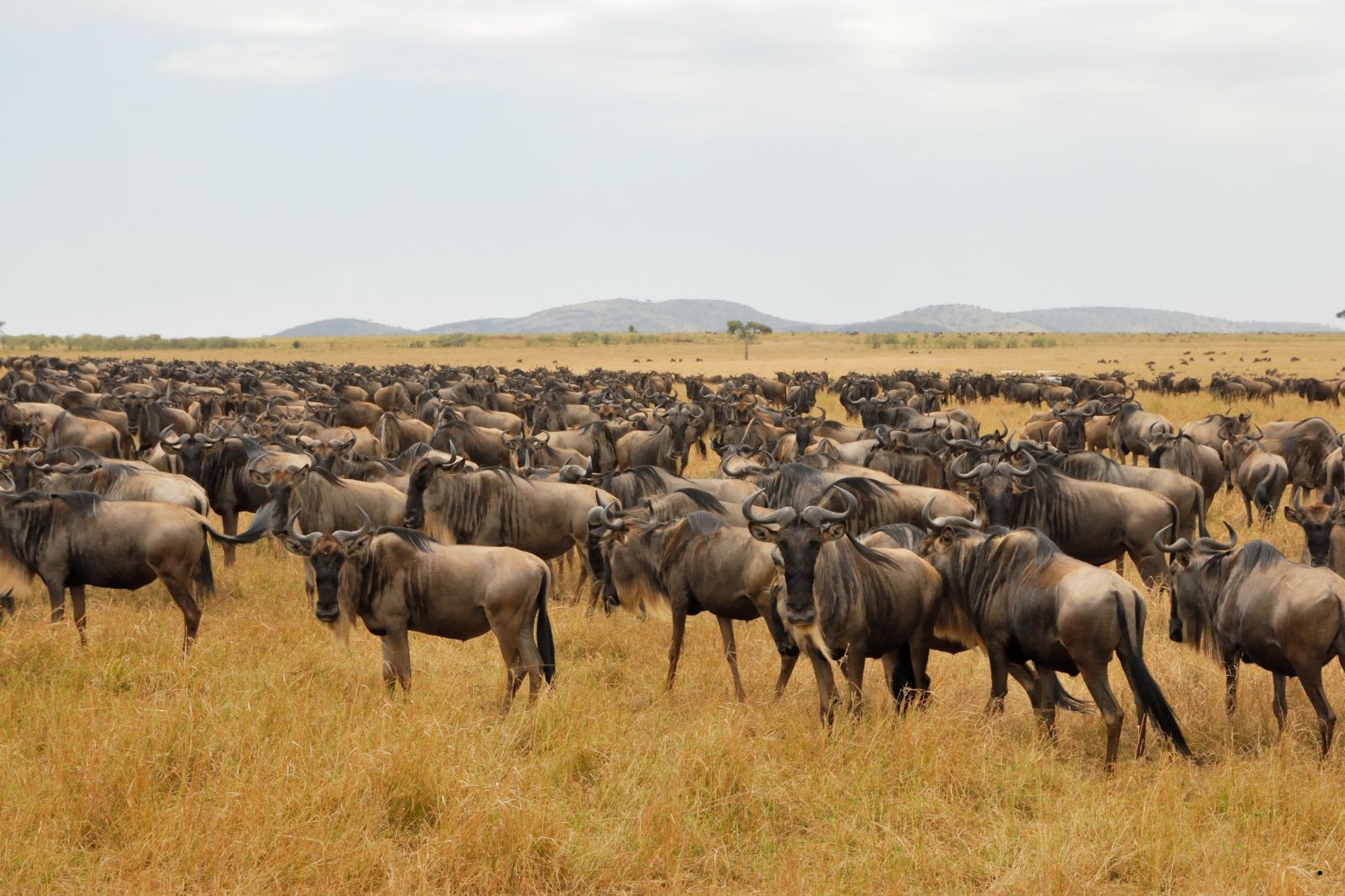
The Selous Game Reserve, now renamed as Nyerere National Park (in-part), is a protected nature reserve and wilderness area in southern Tanzania, East Africa. It covers a total area of 50,000 km2 (19,000 sq mi), with additional buffer zones, as well. It was designated a UNESCO World Heritage Site in 1982, owing to its high levels of biodiversity and vast, undisturbed natural landscapes, such as the grasslands and the miombo woodlands habitat. Among the numerous species within the park are some of the continent’s largest and most iconic (and most vulnerable, threatened or endangered), such as the bush elephant, black rhinoceros, hippopotamus, lion, leopard, spotted hyena, painted dog, Cape buffalo, Masai giraffe, plains zebra, white-bearded gnu and the giant Nile crocodile. Due to the fragility and sensitivity of the many species and ecosystems within the park, human habitation is not permitted within its bounds, and all persons entering and exiting are tallied and tracked by the Wildlife Division of the Tanzanian Ministry of Natural Resources and Tourism.
Best Time to Visit
The best time to visit the Selous Game Reserve is during the June to October dry season. It is during this period that there is virtually no rain in the Selous, the malaria risk is at its lowest, and wildlife is increasingly concentrated around water sources like the Rufiji River.
Key Highlights
Interesting sites in the park include the Rufiji River, which flows into the Indian Ocean opposite Mafia Island, and Stiegler Gorge, a canyon measuring nearly 100 metres deep by as wide. Varied habitats include grassland, typical Acacia savanna, wetlands, riverine and riparian zones, and extensive miombo woodlands. Although total wildlife populations are high, the reserve is vast; densities of observable animals may be lower than in the busier parks in Tanzania’s northern tourist circuit (such as the Serengeti). In 1976, the Selous Game Reserve contained about 109,000 elephants, then the largest population in the world; by 2013, that number had dropped to about 13,000 animals, including a sharp 66% drop just between 2009 and 2013 (an approx. 10-11% decrease per year for those six years). Many sources blame corrupt politicians, officials and businessmen who aid illegal hunters and poachers.
Most of the reserve remains set aside for game hunting solely through a number of privately leased hunting outfitters, but a section of the northern park along the Rufiji River has been designated a strict photographic wildlife zone and is a more popular tourist area. There are several high-end lodges and camps for visitors situated along the river and lake systems; somewhat difficult to access by road, most visitors arrive by small aircraft from Dar es Salaam, though train and car arrival is also possible. Walking safaris are offered in the Selous (something not every park allows), and boat trips on the Rufiji are another popular activity.
Activities
Selous Game Reserve is one of the largest reserves in Africa and a UNESCO Heritage site and the activities in Selous Game Reserve. Selous Game Reserve covers over 50,000 sq km in size. It is part of the protected area in the southern part of Tanzania.
Boat Safari
One of the famous four (4) activities performed in Selous Game Reserve is boat safari. Additionally, tourists perform this activity on the Almighty Rufiji River, which connects to the Indian Ocean.
You will encounter hippos and crocodiles in good numbers. Selous Game Reserve has recorded 350 bird species. These are typical of Miombo woodlands, and the bird life supported by Rufiji swampland is of particular interest. Moreover, the Boat safari starts around 1600 hours from the camp where you can watch the animals and bird life. This safari will continue until the sunset. The heavenly sunset will make you feel out of this world with the tranquillity of the river. You can perform half day boat safari for around 2.5 to 3 hours (as discussed above) or a full-day boat safari that starts around 0600 hours and lasts for around 6 to 8 hours; wherein, you will return to the camp after lunch at the sandbanks of River Rufiji.
Walking Safari
Walking safari will give you a particularly intimate feel for the African wilds. It starts in the morning with the guidance of an armed ranger and takes 2 hours before you meet the driver at the reserve gate. Walking safari offers a good chance of seeing giraffes, zebra, elephants, and good birding. It specifically allows for viewing ‘small five’ or ‘little five animals of the reserve such as ant-lion, elephant shrew, buffalo weaver, rhino beetle, and leopard tortoise. It starts at 0700 hours from the Mtemere Gate, walking inward with an armed ranger leading the group.
Game Drive
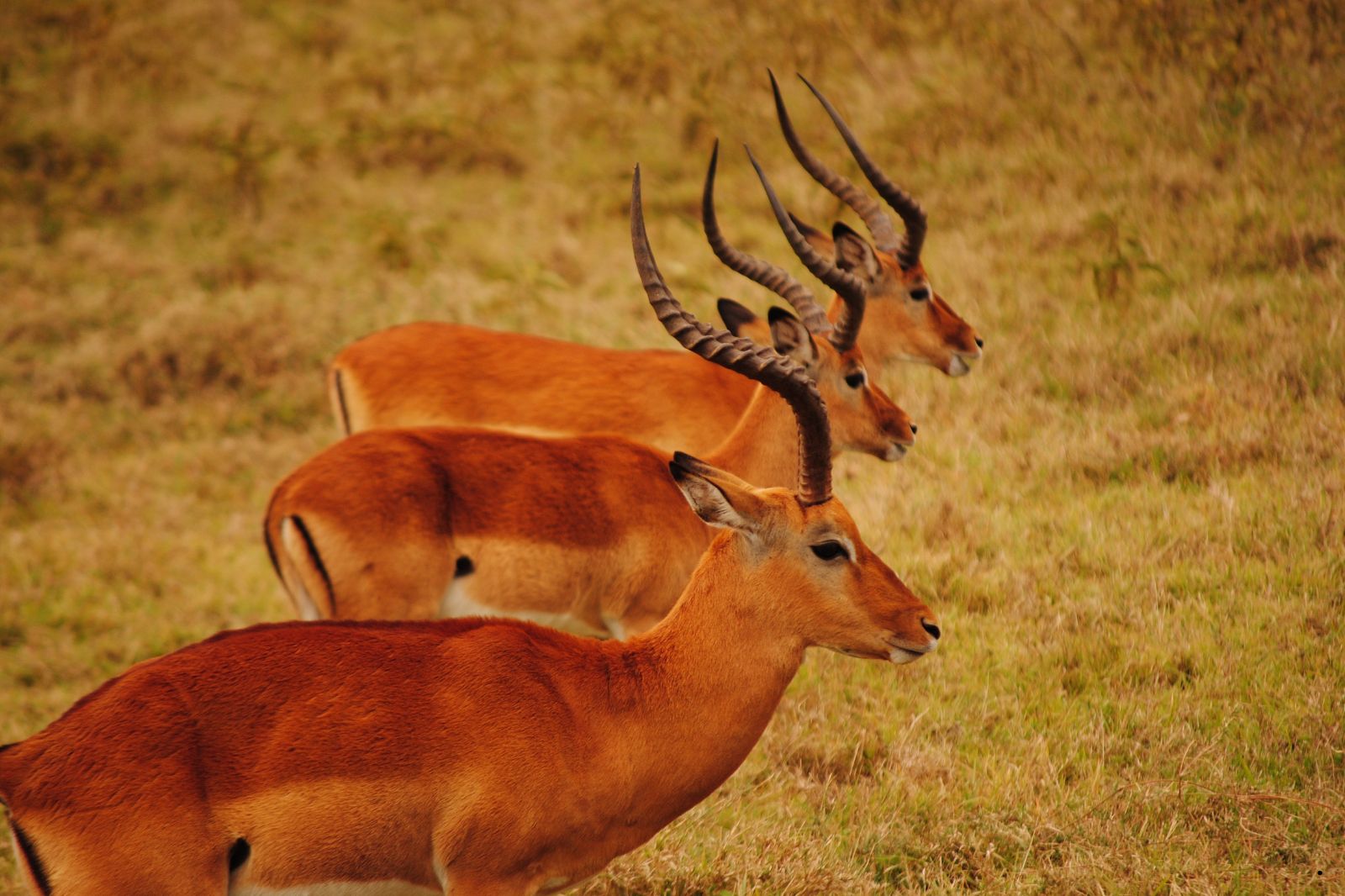
The Selous Game Reserve is the largest in Africa, covering 54,600 square kilometres. The reserve gets its name from the hunter and explorer Frederick Courtney Selous, who died during World War 1. Selous is famous for elephants. Other species commonly seen are lions, wild dogs, buffaloes, bush-bucks, impalas, elands, baboons, zebras, and greater kudus. Originally set aside as a hunting area where animals are abundant but more shy than the Northern Parks. Excursion by Safari prepared (4×4) vehicle will permit you to have good photographic opportunities and the chance to explore different sections of the vast park. The gates of Selous Game Reserve are open from 0600 to 1800 hours. Therefore, one can find the best game before 1100 hours and after 1500 hours, when the sun is not at its peak.
Cultural Tour
The cultural tour is performed in the village where the camp is located. The village is called Mwaseni Village, which has local mud-hut houses, schools, shops, etc. The tour will start from the camp, hiking using the inner alleys into the village. The guide will show you the mud huts and request one of the villagers to permit you to view the hut from inside. You will also visit the government schools. It is preferable to take some gifts for the students such as stationery or candies. If you are lucky, you might see villagers performing their daily activities such as fetching water, African-style grinding, and many others.